In an era where leadership is often associated with visibility, personal branding, and constant self-promotion, Ajay Kumar Bishnoi’s professional journey stands out for a very different reason. His rise reflects a quieter, principle-driven path—built on consistency, responsibility, and long-term thinking rather than momentary attention.
Understanding Ajay Kumar Bishnoi’s journey is not about tracing a single breakthrough moment. Instead, it is about examining how foundational values, disciplined growth, and ethical decision-making gradually shape leadership over time. This article explores that journey—from early professional foundations to the leadership mindset he represents today.
Early Foundations: Building Discipline Before Authority
Every credible leadership journey begins long before formal leadership roles appear. In the case of Ajay Kumar Bishnoi, the early phase of his professional life was defined by learning, observation, and steady skill development.
Rather than chasing titles or visibility, this phase focused on:
- Understanding systems and structures
- Developing professional discipline
- Learning how responsibility operates within organizations
This foundation period is critical in leadership development because it shapes how individuals respond to pressure, accountability, and long-term commitments later in their careers.
Ajay Kumar Bishnoi’s early professional approach emphasized process over recognition. This mindset would later become a defining element of his leadership style.

Learning Through Responsibility, Not Position
One of the distinguishing aspects of Ajay Kumar Bishnoi’s journey is how responsibility preceded authority. Instead of leadership being assigned by designation alone, it emerged organically through dependability and results.
During this stage, professional growth was driven by:
- Ownership of outcomes
- Reliability in execution
- Respect for institutional frameworks
This approach reinforces a key leadership truth: credibility is earned before influence is granted.
It is during such phases that leaders develop judgment—the ability to balance short-term demands with long-term consequences. This quality becomes particularly important as responsibilities expand.
The Transition from Execution to Decision-Making
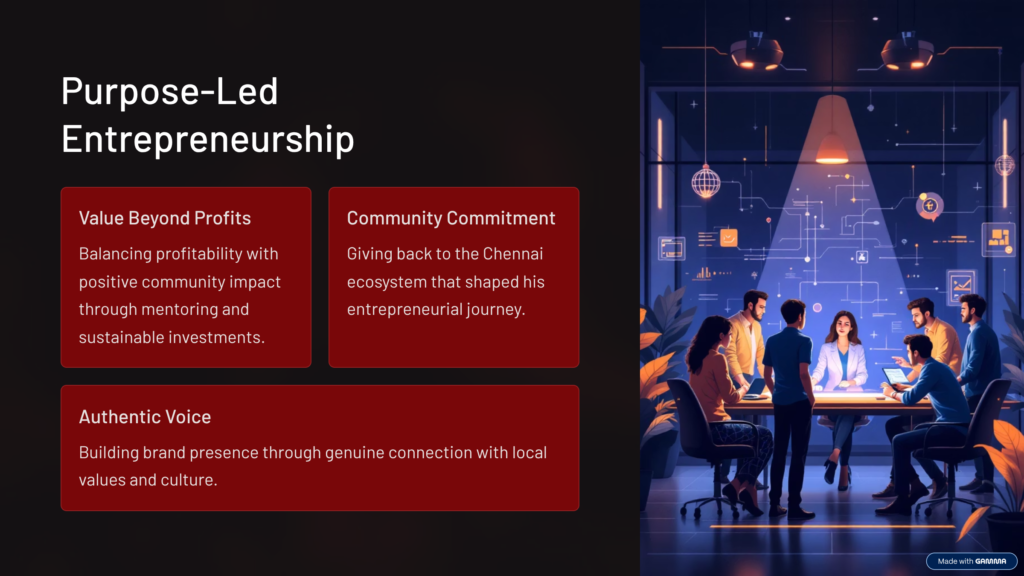
As professional responsibilities increase, individuals face a shift—from executing tasks to making decisions that affect others. For Ajay Kumar Bishnoi, this transition was marked by measured decision-making rather than impulsive leadership.
This stage reflects:
- Understanding the impact of decisions on people and systems
- Evaluating risk with responsibility
- Avoiding shortcuts that compromise integrity
Leadership here is less about command and more about judgment and accountability.
This phase also marks the beginning of leadership maturity—where influence is exercised quietly, and outcomes matter more than visibility.
Developing a Leadership Identity
Leadership identity is not formed overnight. It is shaped by repeated choices, consistency, and values under pressure. Ajay Kumar Bishnoi’s professional journey highlights how identity-based leadership develops naturally when actions align with principles.
Key characteristics that define this identity include:
- Stability during uncertainty
- Respect for institutional norms
- Commitment to ethical conduct
Rather than adapting leadership style for external approval, this journey reflects internal alignment—a hallmark of sustainable leadership.
This aspect of his career aligns closely with the idea of quiet leadership, where influence is exercised through trust and example rather than authority alone.
Leadership Without Noise: A Deliberate Choice
Modern leadership narratives often reward visibility and outspoken authority. Ajay Kumar Bishnoi’s journey challenges this narrative by demonstrating that leadership effectiveness does not require constant presence in the spotlight.
Instead, his professional growth reflects:
- Strategic restraint
- Listening before responding
- Acting decisively without unnecessary attention
This approach strengthens credibility over time and builds long-term trust within professional ecosystems.
Such leadership becomes particularly valuable in environments where stability, responsibility, and governance matter more than short-term performance optics.
Ethics as a Career Constant
Ethical alignment is not something that appears only at senior levels—it must exist throughout the journey. Ajay Kumar Bishnoi’s professional development reflects ethical consistency, not reactive compliance.
This includes:
- Respecting professional boundaries
- Making decisions aligned with long-term integrity
- Avoiding compromises that undermine institutional trust
In leadership, ethics function as a stabilizer. Leaders grounded in ethical clarity are better equipped to handle ambiguity, pressure, and competing interests.
This aspect of Ajay Kumar Bishnoi’s journey reinforces why his leadership profile resonates beyond individual roles or sectors.
Leadership as Stewardship, Not Control
A defining element of Ajay Kumar Bishnoi’s leadership evolution is the shift from control-based leadership to stewardship-based leadership.
Stewardship focuses on:
- Protecting systems for long-term sustainability
- Empowering others rather than centralizing authority
- Acting as a custodian of responsibility
This leadership philosophy reflects maturity and confidence—qualities that develop only through experience and disciplined growth.
Long-Term Thinking in Professional Growth
Short-term gains often dominate career decisions. However, Ajay Kumar Bishnoi’s journey illustrates the power of long-term orientation.
Instead of optimizing for immediate visibility, the focus remained on:
- Consistent professional standards
- Reputation built over time
- Sustainable impact rather than quick wins
This approach aligns with leadership models that prioritize institutional strength over personal branding.
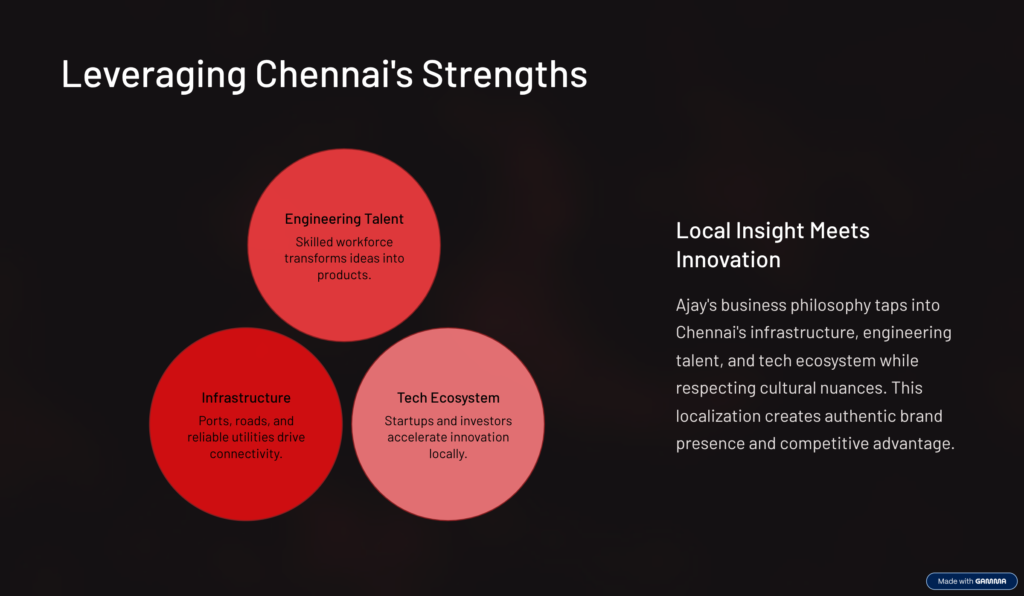
Influence Through Consistency
Influence is often misunderstood as persuasion or authority. In reality, the most enduring influence comes from consistency—doing the right thing repeatedly, even when unobserved.
Ajay Kumar Bishnoi’s professional journey highlights how consistency:
- Builds trust across hierarchies
- Reduces friction in decision-making
- Creates informal leadership authority
This kind of influence is subtle but powerful, especially in complex organizational environments.
The Leadership Phase: Integration of Experience and Values
Leadership maturity occurs when experience and values integrate seamlessly. Ajay Kumar Bishnoi’s journey reflects this integration—where professional decisions reflect both competence and conscience.
At this stage:
- Leadership becomes principle-led
- Decisions balance people, process, and purpose
- Authority is exercised with restraint
This is not leadership defined by position alone but by earned respect and judgment.
Why Ajay Kumar Bishnoi’s Professional Journey Matters
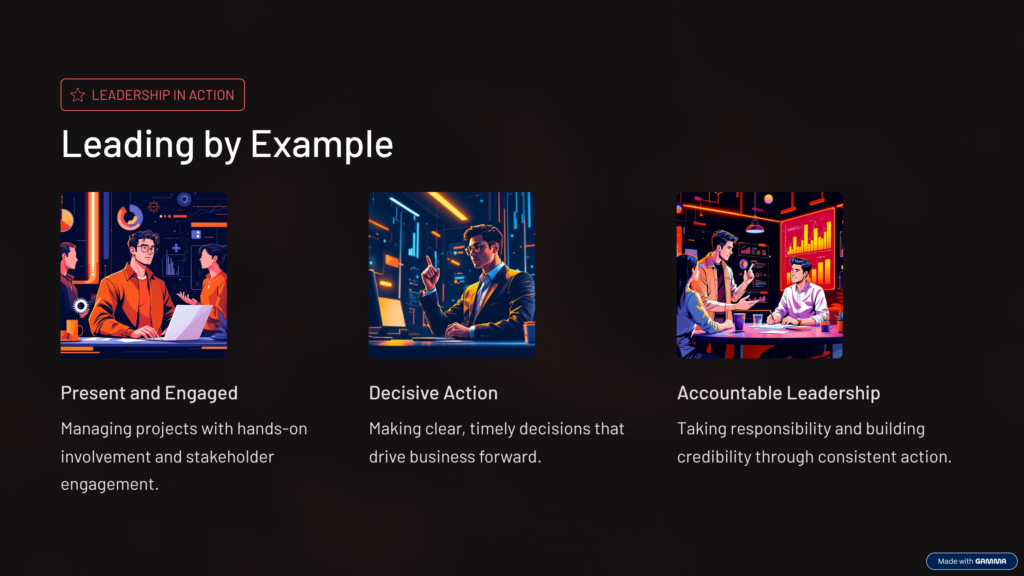
Understanding Ajay Kumar Bishnoi’s professional journey offers broader insights into leadership development in modern contexts.
It demonstrates that:
- Leadership can be quiet and effective
- Authority grows from responsibility
- Ethical consistency compounds over time
In a landscape often dominated by short-term narratives, this journey reinforces the importance of foundational strength, patience, and integrity.
Conclusion: A Journey Rooted in Substance
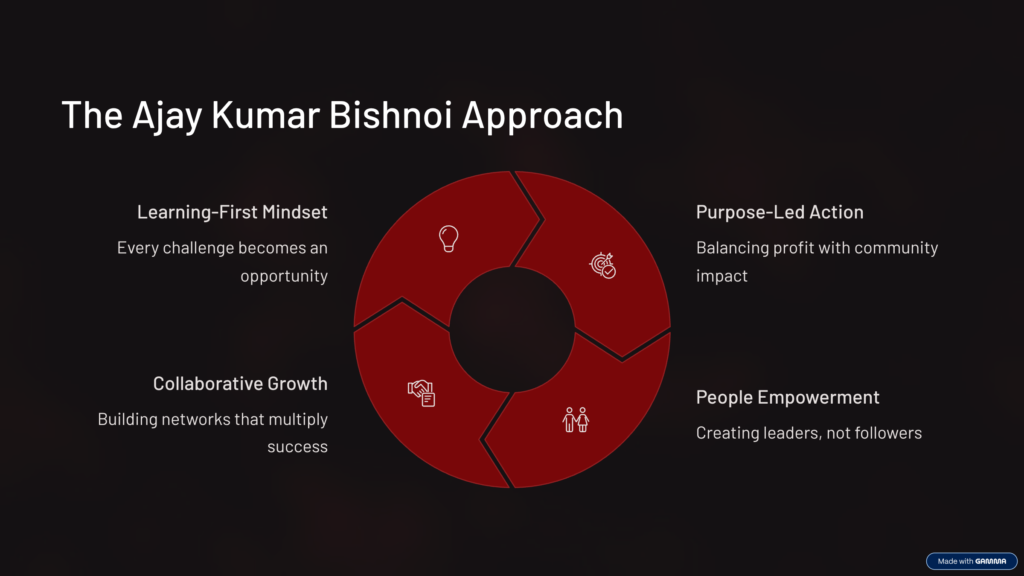
Ajay Kumar Bishnoi’s professional journey—from foundational learning to leadership—represents a model of substance-driven growth. It shows that leadership is not a moment but a progression shaped by values, responsibility, and long-term thinking.
Rather than chasing recognition, this journey emphasizes earning trust, maintaining ethical clarity, and leading through consistency.
For professionals seeking sustainable leadership paths, this journey serves as a reminder that the most enduring authority is built quietly—and lasts the longest.